
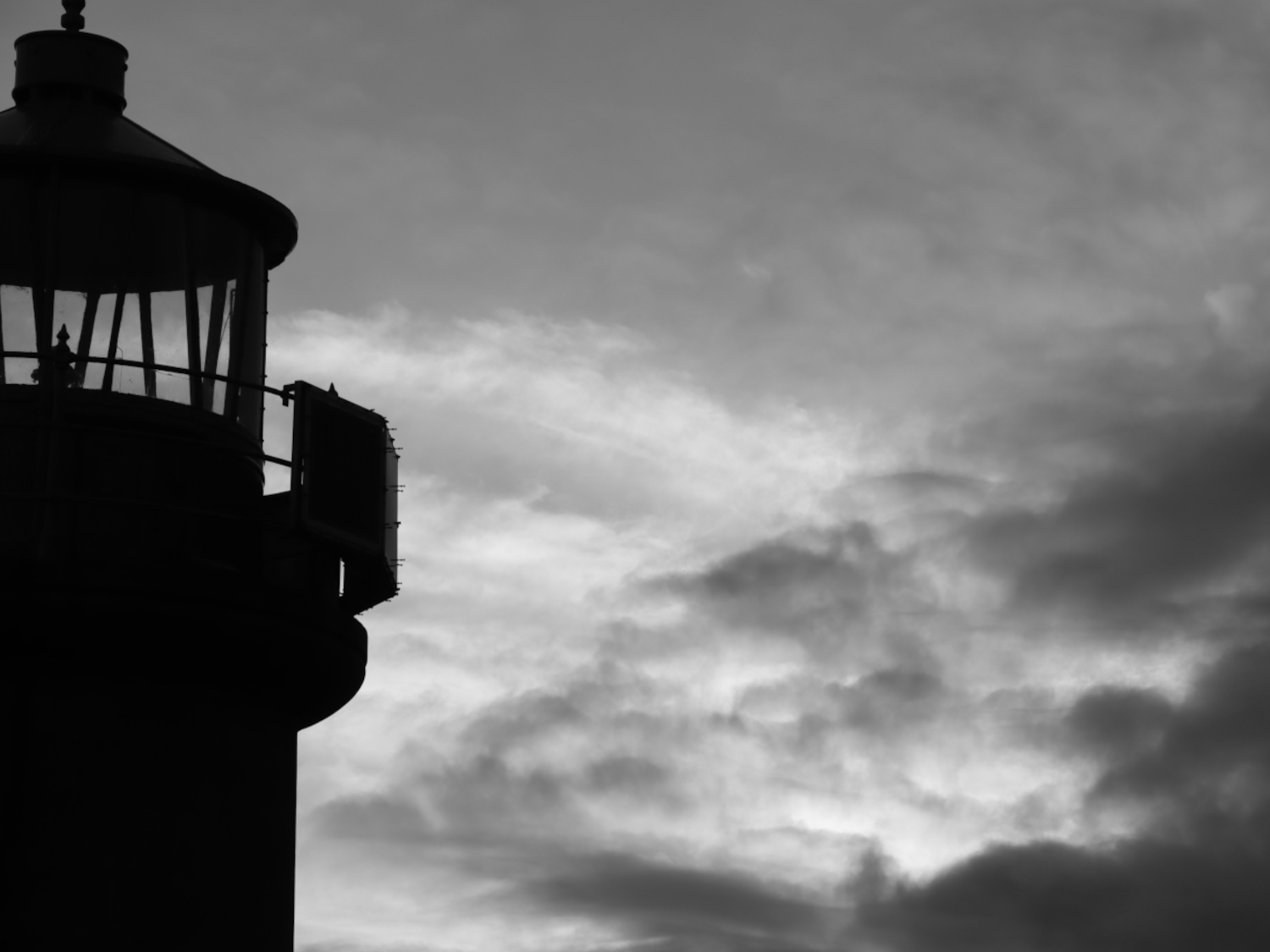
Emotions are often thrown into good and band catagories, where we define the struggle as a battle between good and evil. We chase after happiness, peace, and joy, while we try our best to avoid sadness, fear, and anger. Our culture celebrates the ‘light’ and tells us to push away the ‘dark’. But what if this isn’t the right way to see it? What if the dark and the light aren’t in a battle at all, but are in a constant, delicate dance? From a psychological perspective, the dark does not destroy the light; it is the very thing that gives the light its meaning, its depth, and its purpose.
Understanding the Duality
In our inner world, the ‘light’ represents everything we value: moments of profound connection, feelings of success, the comfort of peace, and the vibrancy of joy. The ‘dark’, on the other hand, represents our most difficult experiences: grief, disappointment, loneliness, and the fear of failure.
Our natural instinct is to try and eliminate the dark. We scroll on our phones, numb with alcohol, or overwork ourselves, all in an effort to avoid the discomfort of our difficult feelings. But you cannot truly numb the bad without also numbing the good. When you close yourself off to pain, you also close yourself off to the full capacity for joy.
The Power of Contrast
Think about it this way: You cannot know the feeling of relief without having first experienced pain. You cannot appreciate the warmth of a new relationship without having felt the chill of loneliness. And you cannot fully celebrate a personal victory without having first faced the fear of defeat. The feeling of ‘getting better’ is only powerful because you were once in a place of feeling broken.
This principle is true for every aspect of our lives. Without the dark shades, a painting would be flat and lifeless. It is the shadows that give an image its dimension and form. In the same way, the painful, challenging moments in our lives give shape and meaning to our moments of light and happiness. They create the emotional contrast that makes our joyful moments feel so vivid and so real.
Empathy Is Born in the Dark
Our shared humanity is also forged in this duality. Our deepest connection with others often comes from a shared understanding of pain. When you listen to a friend’s story of loss, your ability to empathize is rooted in a time when you felt a similar sadness. When you offer a kind word to someone who is struggling, it is because you know what it feels like to be in that dark place. Our wounds, when we allow ourselves to acknowledge and heal them, become the very source of our compassion and our capacity to connect.
True strength is not about avoiding the dark parts of your life. It is about having the courage to walk through them. It is about understanding that your struggles are not a sign of failure but a testament to your resilience. By embracing the full spectrum of your emotional life—the light and the dark—you don’t just survive; you grow. You find that the darkness you once feared becomes the very thing that allows your light to shine even brighter.
ATTherapy offers compassionate support is available to help you understand and address your emotional world, in all its shades. If you recognise something of yourself in the words above, reaching out to ATTherapy can provide a safe space to explore these dynamics, develop healthier ways of relating to your emotions, and cultivate a stronger sense of self.